Entry · Ref A4RZRZPD
Does Cleaning Your Roof Void Your Homeowners Insurance Policy?
- Posted
- 2026-11-13
- Last amended
- 2026-11-13
- Account
- @keeganvsmc401
For homeowners across the Sunshine Coast, keeping a roof in pristine condition is an ongoing priority. The region's unique coastal climate—packed with salt air, intense subtropical humidity, and seasonal storm activity—creates the ideal breeding ground for moss, lichen, algae, and grime. However, a common concern frequently surfaces among property owners: does cleaning your roof void your homeowners insurance policy?
The short answer is no, cleaning your roof does not void your insurance policy. In fact, keeping your roof clean and well-maintained is generally an explicit requirement of your Product Disclosure Statement (PDS). However, the specific methods used to clean your roof, and who performs the work, can significantly influence whether a future claim is approved or denied.

Roof Maintenance vs. Roof Neglect: What Insurers Expect
In 2026, Australian home insurance providers continue to tighten their assessments following major coastal weather events. A core principle of almost every building insurance policy is that property owners have a legal duty to maintain their homes in a sound, watertight condition. Failing to do so constitutes gradual wear and tear or neglect, which are standard exclusions across all major insurers.
When heavy rain or storm-force winds hit the Sunshine Coast, an uncleaned roof covered in heavy moss or lichen is far more vulnerable to structural damage. Lichen roots penetrate concrete tiles and degrade protective coatings, while organic debris retains moisture and accelerates rust on Colorbond metal roofing. If water penetrates your home because decaying organic matter forced tiles to shift or rusted through a sheet, your insurer is likely to reject the claim due to a lack of routine maintenance.
When Can Roof Cleaning Jeopardise Your Coverage?
While proactive maintenance is required, improper cleaning practices can inadvertently cause issues with your insurer. Standard policies contain exclusions for "faulty workmanship," "deliberate damage," or "gradual damage caused by inappropriate treatments." Cleaning your roof can negatively impact your coverage in three key ways:
1. High-Pressure Water Damage
Blasting high-pressure water onto concrete tiles, terracotta, or metal seams can force gallons of water under your flashing, into roof cavities, and onto ceiling insulation. It can also strip the protective glaze off tiles or dislodge mortar pointing. If a high-pressure blast causes immediate water ingress or damages roof components, your insurer will categorize this as accidental damage or poor maintenance rather than an insurable storm event, leaving you to pay for internal repairs out of pocket.
2. DIY Accidents and Structural Damage
Walking across brittle tiles without proper load-spreading gear frequently cracks roofing elements. If a homeowner walking on the roof cracks tiles and subsequent rain leads to ceiling collapse, insurance assessors often rule the initial damage as self-inflicted rather than an unavoidable weather event.
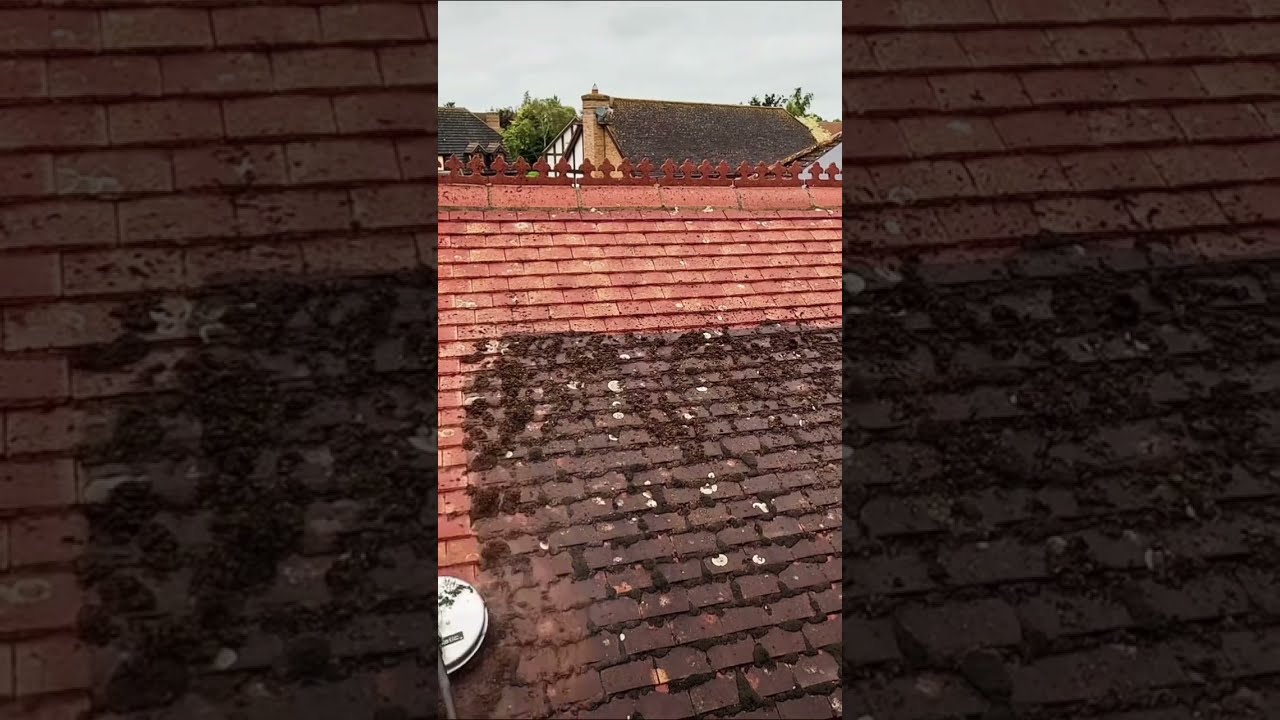
3. Harsh Chemical Stripping
Using caustic or unapproved bleach formulations can degrade metal fasteners, void the manufacturer warranty on Colorbond finishes, and corrode gutter systems. When an unapproved chemical weakens roof seals, resulting leaks are generally excluded under standard wear-and-tear clauses.
How to Safely Clean Your Roof While Protecting Your Policy
To ensure your property remains fully protected under your insurance agreement, you should adopt industry-standard cleaning approaches that preserve the integrity of your building materials.
- Choose soft-wash treatments: Soft washing relies on eco-friendly, specialized solutions applied at low pressure to eradicate organic growth at the root level without disturbing tiles, pointing, or metal joints.
- Verify professional credentials: If hiring an exterior cleaning service on the Sunshine Coast, ensure they carry dedicated public liability insurance and follow safe working-at-height standards.
- Document the condition: Take clear, timestamped photos of your roof before and after any maintenance. In the event of a future storm, this serves as definitive proof that your roof was structurally sound and actively maintained.
- Avoid DIY walking on fragile roofs: Let equipped professionals handle high-pitch or delicate surfaces to eliminate the risk of accidental structural breakage.
The Genuine Risks of Ignoring Roof Cleaning
While many worry about https://simonfsbo604.opalvector.com/posts/the-truth-about-black-streaks-on-sunshine-coast-roofs whether roof cleaning might compromise their insurance, ignoring the roof creates far greater financial hazards. Property claims across South East Queensland encounter frequent pushback when an assessor detects long-standing maintenance issues.
- Gutter and valley blockages: Algae and moss break down into sludge that dams roof valleys, causing storm runoff to back up underneath the eaves and into wall cavities.
- Accelerated tile degradation: Lichen feeds on the minerals in concrete roof tiles, leaving the surface porous and susceptible to micro-cracking during temperature fluctuations.
- Compromised solar efficiency: Organic grime running off an unwashed roof often pools around solar panel mountings, corroding brackets and creating debris traps.
Looking Ahead to 2027 and Future Storm Seasons
Insurance underwriting models are increasingly utilizing high-resolution aerial imagery to monitor property conditions remotely. Moving into 2027 and the years ahead, insurers will be even quicker to identify visibly neglected roofs before severe weather strikes. Ensuring your roof is clean, free of organic infestations, and regularly inspected safeguards your home against severe weather while keeping your insurance policy intact when you need it most.
Sunshine Coast Roof Cleaning Pros
Unit 2/47 Enterprise St, Kunda Park QLD 4556, Australia
(07) 4158 6008